Experimental
IRON SMELTING
2001 - present
How did the Norse during the Viking Age make
iron blooms from bog ore?
Experimental Archaeology can give insight into the techniques
used in Northern Europe to operate direct reduction iron
smelting furnaces.
This is a record of over 100 bloomery iron smelts in the
ongoing series by Darrell
Markewitz,
assisted by members of the Dark Ages
Re-creation Company.
Wareham, Ontario, Canada is this centre for this practical
research into Norse methods for North America.
2026 : The original content has been
streamlined into individual topic sections.
This may result in repetition of some elements.
For the original version of this web site : HERE
Experimental Data
Table form, 45 elements for each individual iron smelt
Plus additional tables for specific experimental
objectives
Individual
Experiment Reports
Sequence Data / Furnace Layout / Description
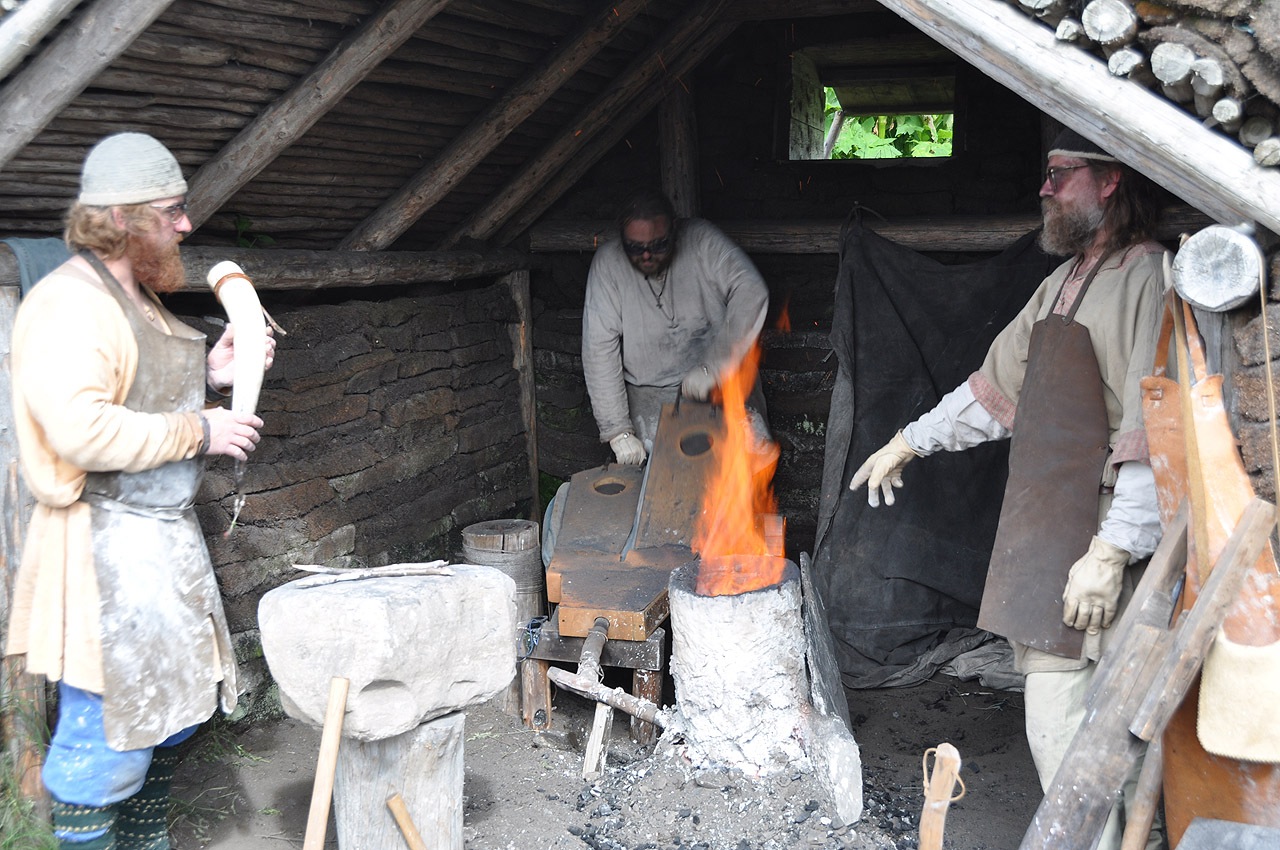
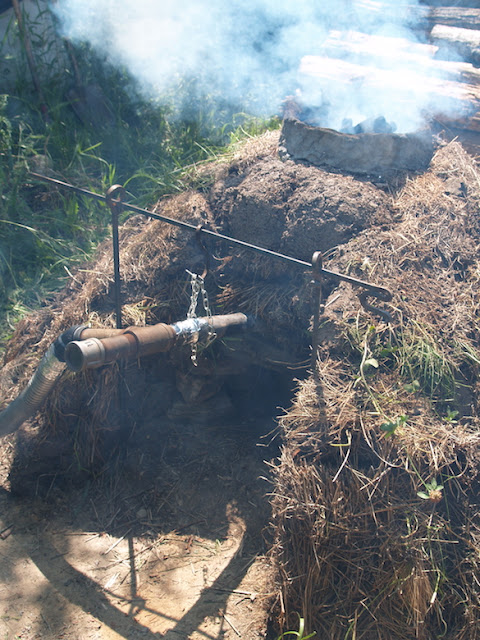
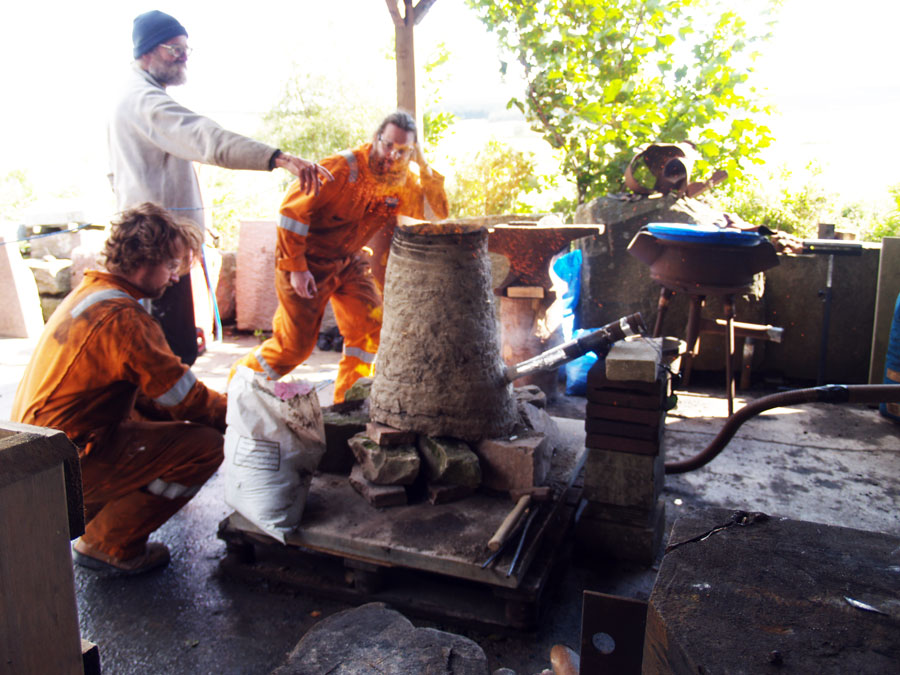
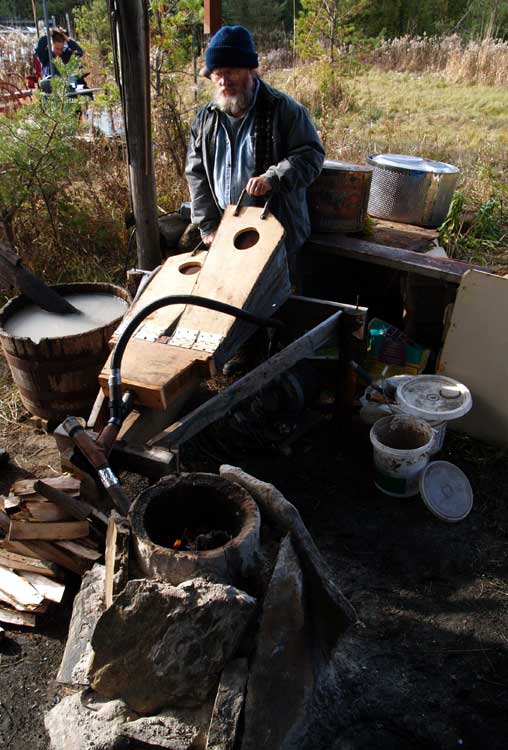
As individual experimental series
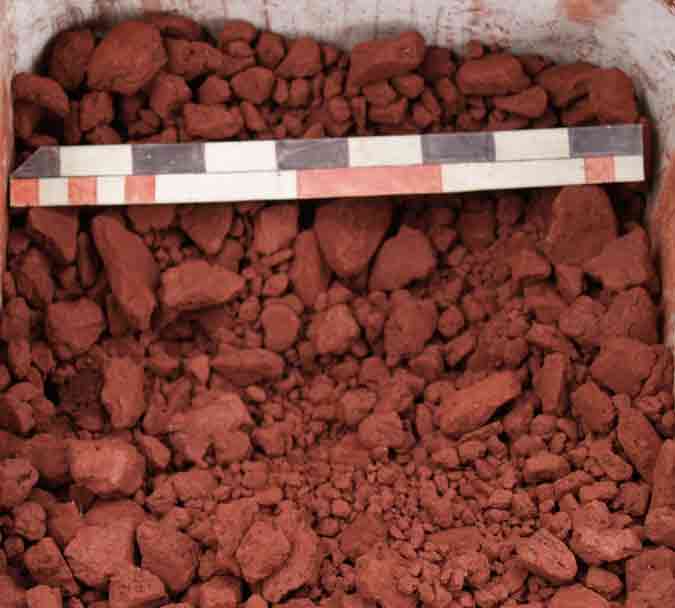
| Vinland |
Icelandic
/ Hals |
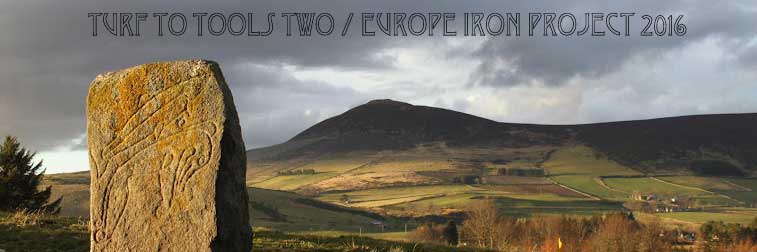
Turf
to Tools |
Norse Bellows Air | Bog Iron Ore Analog |
 |
 |
 |
 |  |
Publications
List of books, journal articles, conference presentations,
commentaries
Practical Guides
Technique instruction for undertaking bloomery iron
smelting
Video
Illustrating specific iron smelts
Selected Links
Including References / Video
 |
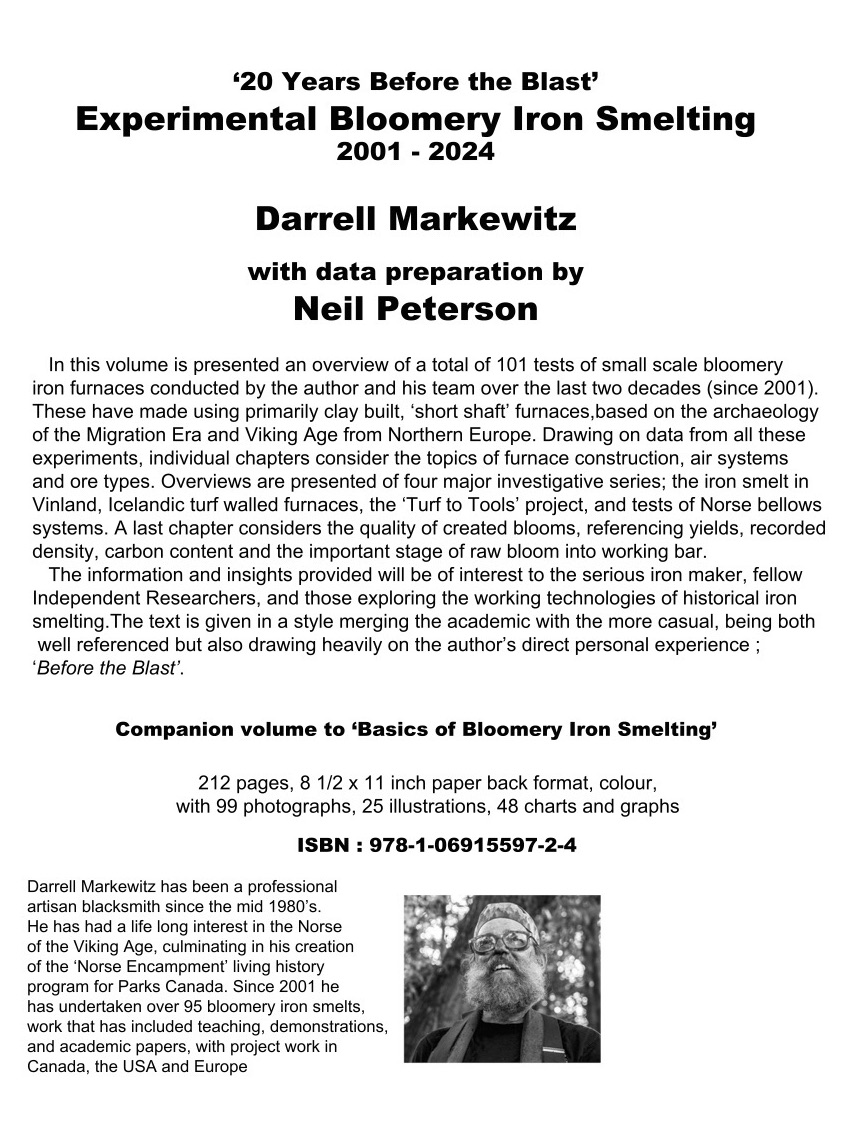 |
'20 Years
Before the Blast'
Experimental Bloomery Iron Smelting 2001 - 2024 with Neil Peterson ISBN : 978-1-0691597-5-5 March 2025 This 212 page volume is a survey of 101 iron smelting tests by the author and his working team, presented in a more formal academic style. Includes assessments of furnace builds, air systems, ore types and bloom qualities. There are overviews of four major experimental series; iron smelt in Vinland, Icelandic turf walled furnaces, the Turf to Tools project, and Norse Bellows equipment. 8 1/2 x 11 paperback format, 99 colour photographs, 25 illustrations, 48 charts and graphs. companion to 'Basics of
Bloomery Iron Smelting'
|
 |
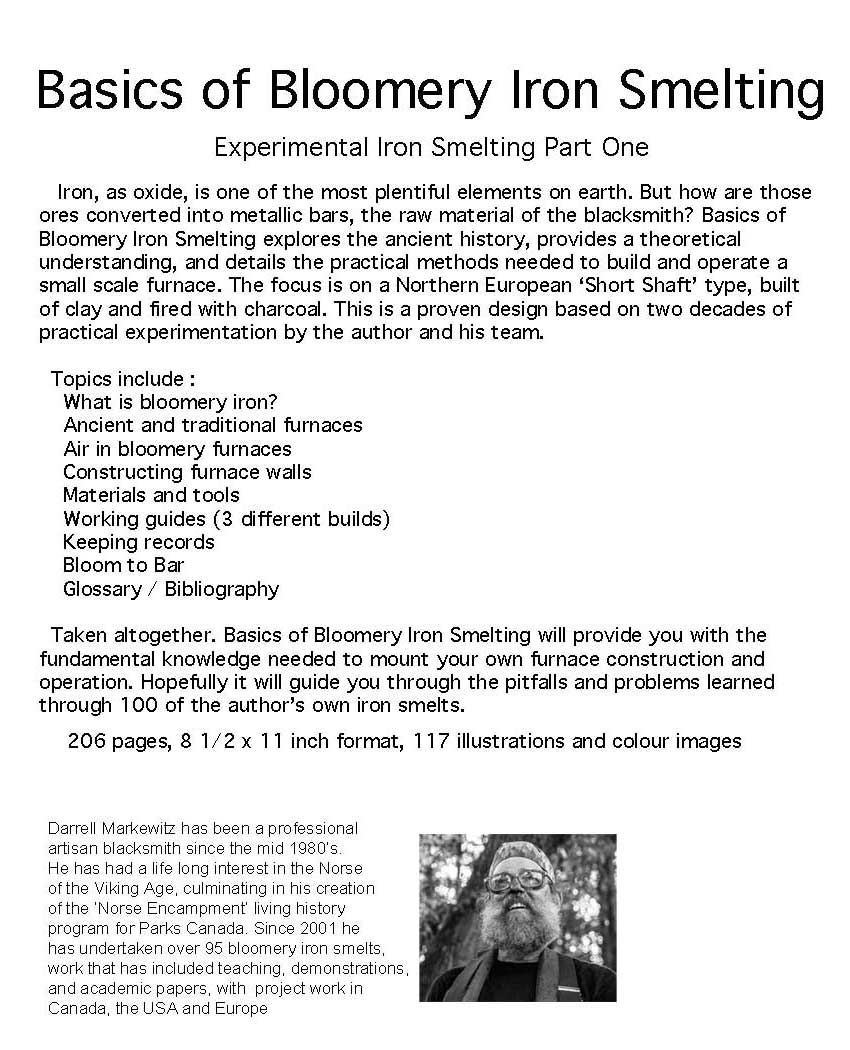 |
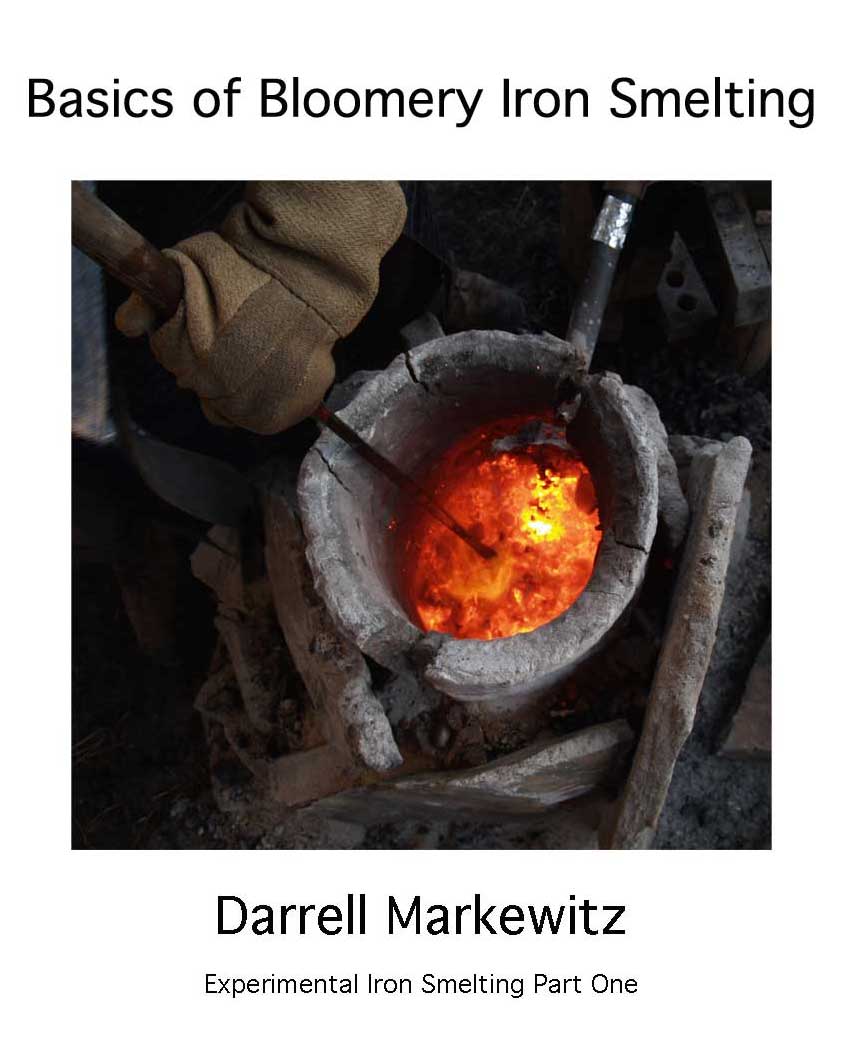
Basics of
Bloomery Iron Smelting
ISBN : 978-1-0691597-2-4 January 2025 This 201 page book outlines the history and functioning methods learned from two decades using small scale smelting furnaces. Topics include ores, furnace builds, air systems, tools, record keeping, and the final bloom to bar. Includes operating instructions for three different furances, everything you need to understand the theory and practice of bloomery iron smelting. With 115 illustrations and colour images (8.5 x 11") companion to '20 Years Before
the Blast'
|